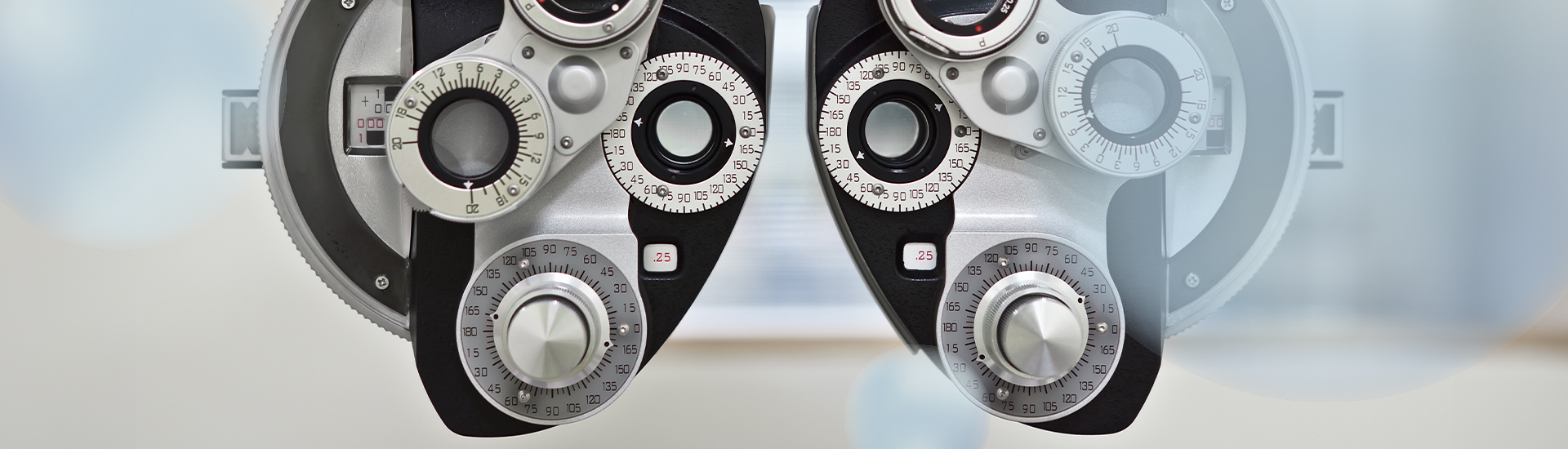
In-Depth Eye Exams
Eye exams are an important part of preventive health care. We provide a thorough eye checkup to assess if you’re seeing properly and to detect early signs of eye disease.
Every pair of eyes is unique. We’ll take the time to get to know you and understand your lifestyle, concerns, and eyewear needs. Our treatments are tailored to you, and we’re happy to explain any procedures or tests to help you feel more comfortable.
If we determine that you need corrective lenses, you can shop our extensive selection of the latest brands and frame styles. Book your appointment and meet our friendly team today!
Book AppointmentHow Often Do I Need an Eye Exam?
The American Optometric Association recommends that low-risk patients adhere to these guidelines at a minimum:
- Adults between the ages of 18 to 64 should have an eye exam every 2 years.
- Adults 65 years and older should have an annual eye exam.
Patients with diabetes, high myopia, or other vision conditions should have more frequent examinations. We can work with you and your unique needs to determine the best exam schedule for your eyes.
Book your appointment today keep your eye wellness on track.
What Happens During an Eye Exam?
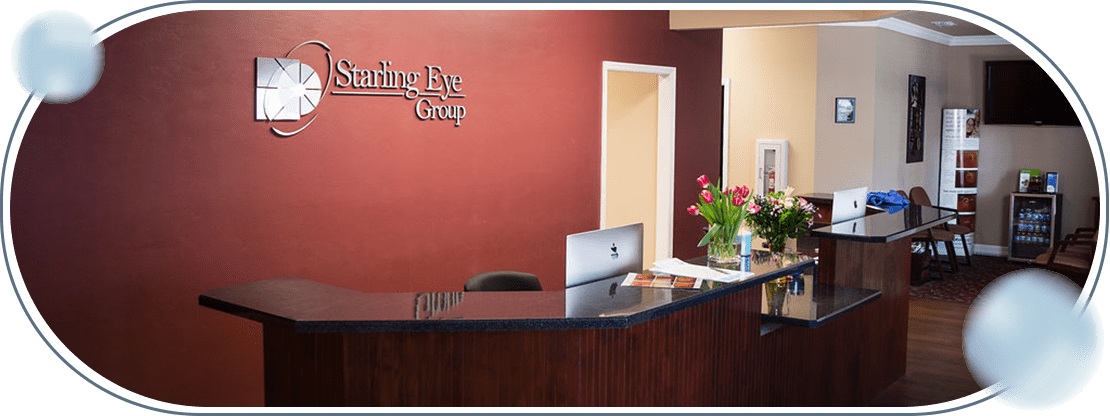
When you step into our modern, stylish office, you’ll be greeted by our friendly staff. If you’re a new patient, we’ll ask some questions about your health history, lifestyle, and current medications.
Comprehensive eye exams are more than just a vision test. Our questions about your health and family history help us assess your risk factors for eye diseases or other vision conditions.
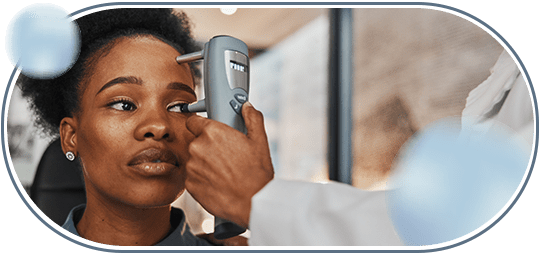
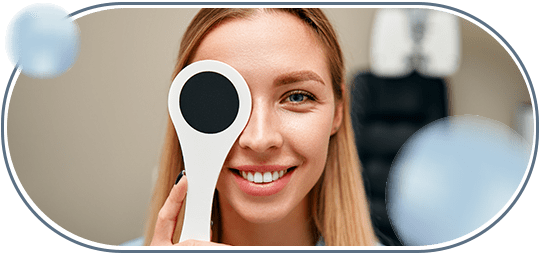
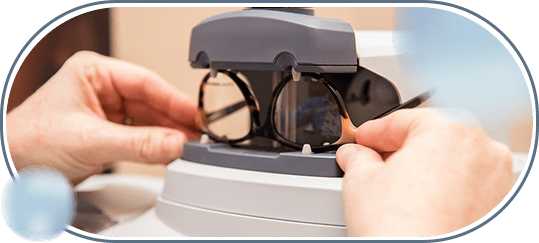
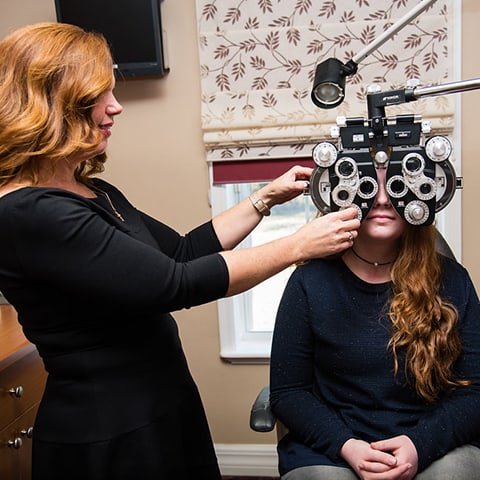
During the exam, we will carefully evaluate your eyes, inside and out. We’ll also measure your visual acuity to determine if you need corrective lenses or an updated prescription.
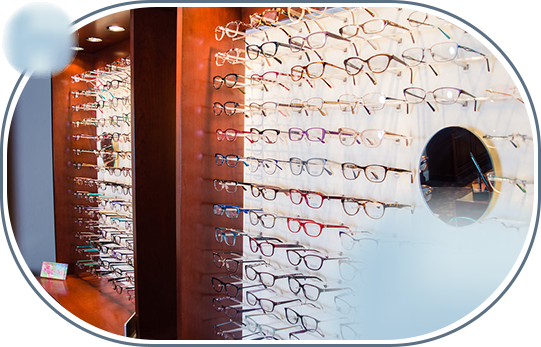
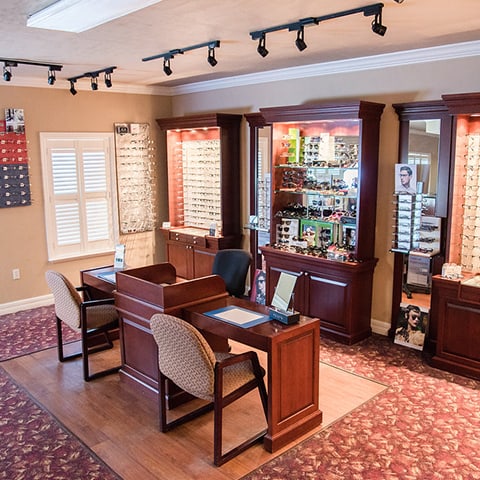
When your exam is over, you’ll have plenty of time to browse our extensive selection of frames—try on as many as you like!
Book Your Appointment Today
Even if you think you have perfect vision, it’s still important to have regular eye exams. Eye diseases can begin with little to no symptoms, so a comprehensive exam remains the best way to assess early signs of eye disease.
Preserve your sight for years to come by booking a comprehensive eye exam today.
Book AppointmentYour Questions About Adult & Senior Eye Exams, Answered
Booking an eye exam often comes with questions—how often you really need one, what the appointment involves, and whether anything changes as you get older. We’ve answered the questions our Gainesville patients ask most, so you know exactly what to expect before you walk through the door. If you don’t see your question here, our team is always happy to talk it through with you.
How often should adults have an eye exam?
The American Optometric Association recommends that adults between 18 and 64 have an eye exam at least every 2 years, and that adults 65 and older have one every year. That’s a minimum for low-risk patients. If you have diabetes, high myopia, or another vision condition, you’ll likely need to come in more often. We can help you land on a schedule that fits your eyes.
Do I still need an eye exam if my vision seems fine?
Yes. Many eye diseases develop with little to no early symptoms, which means you can see clearly and still have a condition quietly progressing. A comprehensive exam assesses the health of your eyes, not just how well you read a chart—making it the most reliable way to catch changes early, while they’re still easier to manage.
What happens during a comprehensive eye exam?
We start by talking with you about your health history, lifestyle, and any medications you take, which helps us understand your risk factors. From there, we carefully evaluate your eyes inside and out and measure your visual acuity to determine whether you need corrective lenses or an updated prescription. We’re happy to explain any test or procedure as we go.
How is a senior eye exam different from an adult eye exam?
The exam follows the same thorough process, but our focus shifts. Risk for conditions like cataracts, glaucoma, age-related macular degeneration, and diabetic eye disease increases with age, so we pay closer attention to these areas. It’s also why annual exams are recommended once you reach 65, rather than every 2 years.
Can an eye exam detect health issues beyond my vision?
It often can. The eye is one of the few places in the body where blood vessels and nerve tissue can be viewed directly, so signs of conditions such as diabetes and high blood pressure can show up during a routine exam. If we notice something that needs attention, we’ll walk you through the next steps.
What’s the difference between a vision screening and a comprehensive eye exam?
A vision screening—like the kind offered at a workplace or licensing office—only checks whether you can see clearly at a distance. A comprehensive eye exam goes much further, evaluating eye health, focusing ability, eye teaming, and early signs of disease. A screening can suggest you need a closer look, but it can’t replace a full exam.
Does a comprehensive eye exam include a contact lens prescription?
Not automatically. A glasses prescription and a contact lens prescription are different, because contacts sit directly on the eye and require measurements of your cornea and tear film. If you’d like to wear contacts, let us know when you book so we can plan for a contact lens exam and fitting.
What should I bring to my appointment?
Bring your current glasses and contact lenses, a list of any medications you take, your vision insurance information, and anything you know about your family’s eye health history. If you’re a new patient, arriving a few minutes early gives us time to get your health history on file without cutting into your exam.
Can I pick out glasses at the same appointment?
Absolutely. Once your exam wraps up, you’re welcome to browse our selection of frames and lenses and try on as many pairs as you like. Our team can help you narrow things down and talk through the lens options that suit your prescription and daily routine.
What should I do if I have an eye problem between exams?
Don’t wait for your next scheduled visit. Sudden vision changes, eye pain, redness, flashes, floaters, or an injury all warrant prompt attention. We offer emergency eye care during office hours, and after-hours support is available online when you need help outside of our regular schedule.

Our Location
From Northwest 43rd Street, we’re behind the Hunter’s Crossing shopping center, near McDonald’s and Ameris Bank. Head straight back behind the center. Look for the Bristol Park sign, stay on your left, and find building 4635.
Our Address
- 4635 NW 53rd Ave
- Gainesville, FL 32653
Contact Information
- Phone: 352-333-9971
- Fax: 352-248-0692
- Email: [email protected]
Our Hours
Hours
- Monday: 8:00 AM – 5:00 PM
- Tuesday: 8:00 AM – 5:00 PM
- Wednesday: 8:00 AM – 5:00 PM
- Thursday: 8:00 AM – 5:00 PM
- Friday: 8:00 AM – 12:00 PM
- Saturday: Closed
- Sunday: Closed
Our Brands







Our Google Reviews

-
Starling Eye Group
- 4635 NW 53rd Ave
- Gainesville, FL 32653
-
P: 352-333-9971
[email protected]