

Key Takeaways
- 20/20 vision measures clarity at a distance, not overall eye health.
- 20/20 is normal, not perfect. Sharper vision, like 20/15, is possible.
- 20/30 vision is manageable for most daily tasks.
- An eye chart measurement can’t account for peripheral vision, depth perception, and color vision.
- Glasses and contacts can help sharpen vision at any age.
- Adults 40 and older benefit from a baseline eye exam, even with no symptoms.
What the Numbers on an Eye Chart Actually Tell You
You’ve probably covered one eye in a doctor’s office and read letters off a chart. Afterwards, maybe you were told that you have 20/20, 20/30, or maybe 20/40 vision. But what do these numbers actually mean?
The top number, which is always 20, refers to how far you are from the eye chart. The bottom number is the distance at which a person with normal vision can read the same line of letters. 20/20 vision means that you can see at 20 feet what someone with normal vision can also see at 20 feet. In other words, you have normal vision. 20/40 vision, on the other hand, means that you can read at 20 feet what someone with normal vision can read from 40 feet away.
An eye chart measures the sharpness of your vision at a distance, nothing more. If you want to check the actual health of your eyes, your depth perception, or your color vision, our team at Starling Eye Group offers comprehensive eye exams.
Is 20/20 Vision the Same as Perfect Vision?
What 20/20 Really Means
Here’s where a lot of people get tripped up. 20/20 is not perfect vision. It’s normal vision.
Some people actually have 20/15 vision, meaning they can read at 20 feet what others need to be just 15 feet away to see. That’s sharper than 20/20. On the other hand, only about 35% of adults reach 20/20 vision without glasses, contacts, or any correction at all.
What an Eye Chart Does Not Measure
An eye chart tells you nothing about your peripheral vision, your depth perception, your color vision, or how well your eyes work together as a team. It also doesn’t tell you whether your eyes are healthy.
Is 20/30 Vision Bad?
What 20/30 Means in Daily Life
If you tested at 20/30, that’s a slight step down from 20/20. For most people, it doesn’t get in the way. Reading, driving in daylight, recognizing faces across a room, and working at a desk are all things you can typically handle just fine at 20/30.
When 20/30 Vision Becomes a Problem
That said, there are situations where 20/30 can make things difficult. Some jobs, like commercial pilots or long-haul truck drivers, have strict vision requirements that 20/30 doesn’t meet. Night driving can feel harder too, as reduced visual sharpness gets more noticeable in low light situations.
For children, 20/30 vision at age 5 is a reason to see an optometrist. A child’s vision system is still developing, and catching changes early gives them a better chance at comfortable learning.
What Can Affect Your Vision Score
A few different conditions can affect where you land on a vision chart. The most common are refractive errors, which is the umbrella term for nearsightedness, farsightedness, and astigmatism. Nearsightedness makes distant objects look blurry, farsightedness makes close-up objects look blurry, and astigmatism affects vision at all distances.
After 40, many people start to struggle with reading. This is due to presbyopia, and it’s a normal change. All you need is a pair of reading glasses.
People with diabetes may also see shifts in their vision score as blood sugar levels affect the eye. If you have diabetes, a diabetic eye exam can catch those changes before they become a bigger concern.
Your Options for Clearer Vision
Glasses & Contact Lenses
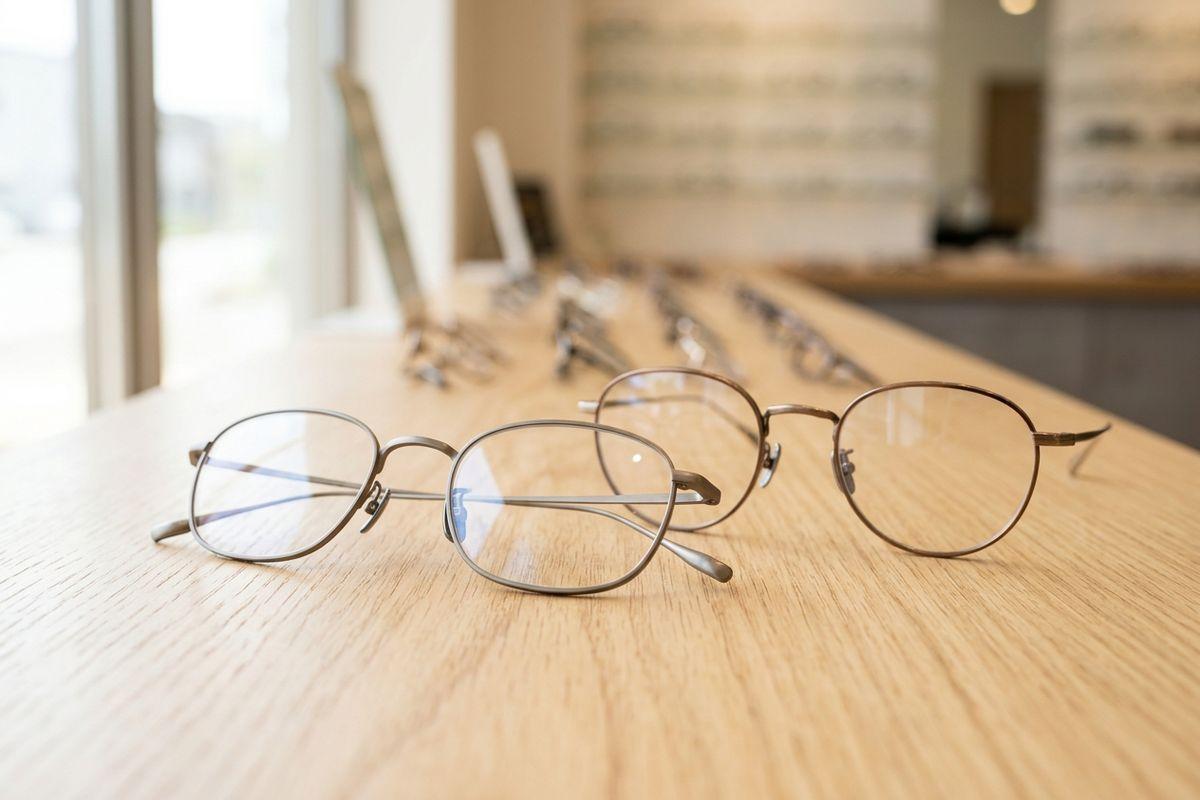
Glasses are the most straightforward way to sharpen your vision. They come in a wide range of frames to fit your face and your day.
Contacts do the same job without frames. They sit directly on the eye and work well for people who find glasses inconvenient or unappealing for sports, work, or everyday wear.
When to See an Eye Doctor in Gainesville
Any change in your vision is worth a checkup, whether you’re 25 or 65. If things look a little fuzzier than they used to, or if you find yourself squinting at screens or signs, an optometrist can take a closer look.
Adults 40 and older benefit from a baseline eye exam even without any symptoms. A lot can change quietly in that decade, and catching it early keeps your options open.
At Starling Eye Group, we see patients over 12 at our office near NW 43rd Street in Gainesville. If you’ve been putting off a visit, now is a good time to call and get on the schedule.