


Key Takeaways
- Eye pain can range from a dull ache to sharp pressure.
- Screen time, dry air, infections, and an outdated prescription are common causes.
- Some symptoms, like sudden pain with nausea or vision changes, need immediate attention.
- An eye doctor can often see you faster than an ER and is the right call for most eye concerns.
- A simple eye exam can point to what’s causing your pain and what can help.
Your Eye Doctor Can Often Help
Eye pain has a way of making it hard to focus on anything else. Whether it’s a burning feeling after a long day at your computer or a sharp sensation that comes out of nowhere, pain in or around your eye deserves attention, not guesswork.
Eye pain can come from many different sources, from dry air and screen fatigue to infections and eye pressure. Knowing the difference can help you find a path forward.
If you’re struggling with eye pain, our team at Starling Eye Group can help. We also offer emergency eye care if the situation is critical and we’re the right medical choice.
What Eye Pain Can Feel Like
Eye pain has a number of different forms. Sometimes it’s a dull ache behind the eye, sometimes it’s a burning feeling on the surface, and sometimes it’s a pressure that builds during the day. Other times it’s a sharp, sudden sensation that stops you in your tracks.
Discomfort on the surface of the eye, like a gritty or stinging feeling, often points to a different cause than pain that seems to come from inside the eye. Similarly, pain that comes and goes often has a different source than discomfort that doesn’t let up.
8 Common Causes of Eye Pain
1. Digital Eye Strain & Screen Fatigue
If your eyes feel tired, sore, or dry by early afternoon, your screen time may be the reason. Long hours looking at a monitor, phone, or tablet strain the muscles around your eyes. You might also notice a dull headache near your temples after a day of computer work. Digital eye strain is one of the most common causes of eye discomfort.
2. Dry Eyes
When your eyes don’t produce enough tears, or if your tears evaporate too quickly, the result is often dry eye. Symptoms of this condition include a stinging, gritty, or burning feeling that tends to build through the day. You may also experience blurry vision that comes and goes. Dry eye therapy can help calm symptoms and get you comfortable again.
3. Pink Eye (Conjunctivitis)
Conjunctivitis is an infection of the thin membrane covering the white of your eye. It can cause redness, discharge, and discomfort. It’s quite contagious, so getting prompt treatment is important both for you and the people around you.
4. A Stye or Eyelid Irritation (Blepharitis)
A stye is a tender bump that forms on the eyelid, usually near the lash line. Blepharitis is a condition where the edges of your eyelids become inflamed and irritated. Both can cause a burning or sore feeling around your eye.
5. Corneal Scratch or Foreign Object
Foreign objects like dust or sand, as well as impacts from objects like a ball, can scratch your cornea, the clear front surface of your eye. Symptoms include sharp pain, watery eyes, and light sensitivity. Our emergency eye care page covers what to do and what to avoid when a corneal scratch or foreign object is involved.
6. Wrong or Outdated Prescription
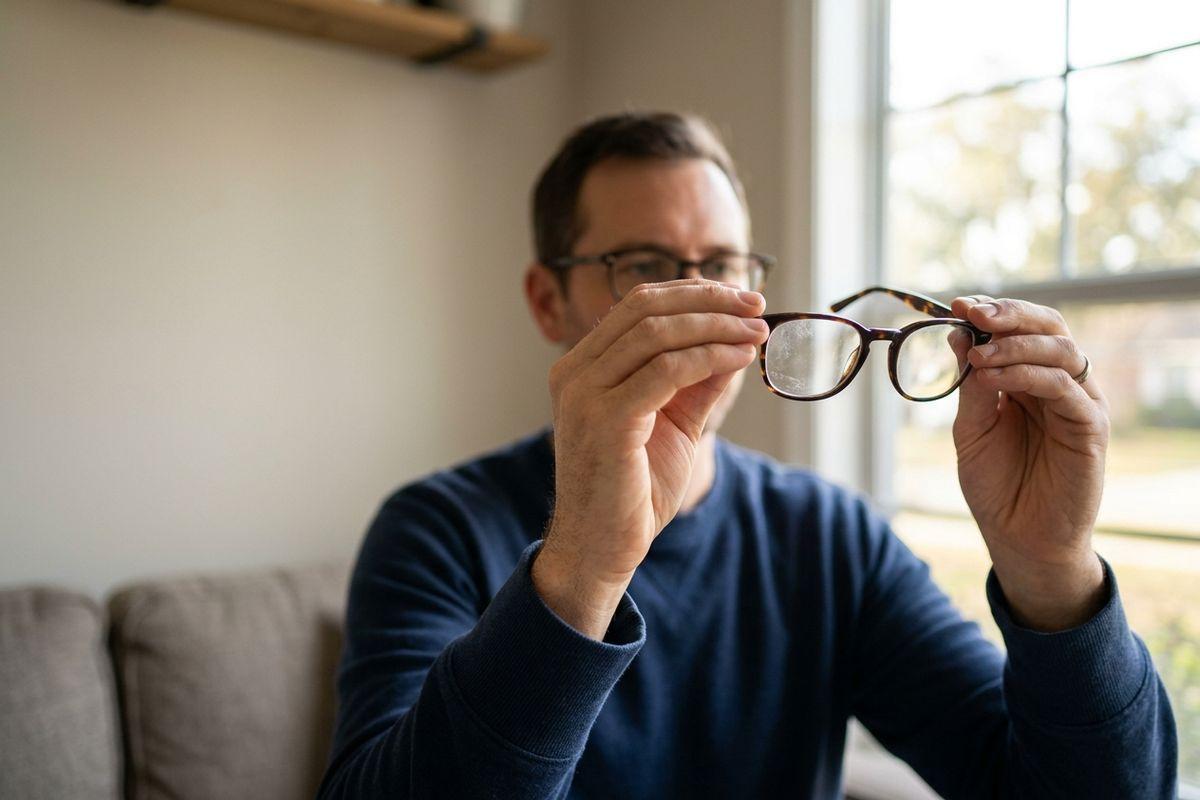
When your prescription no longer matches what your eyes need, your eyes work harder to compensate. That extra effort shows up as squinting, eye strain, and headaches. Poorly fitted frames can also press on your temples or nose in a way that adds to the discomfort.
7. Contact Lens Problems
Wearing contacts longer than recommended, or not cleaning them properly, can irritate the surface of your eye. Failing to address the issue can often result in more serious issues, so it’s important to stop wearing your contact lenses if you start to notice discomfort. Instead, give us a call and we’ll help you find a solution.
8. High Eye Pressure (Acute Glaucoma)
This one is less common, but still worth knowing about. A sudden spike in eye pressure can cause severe pain, blurred vision, and nausea, often without any warning signs. If this happens, your eye needs immediate, emergency attention.
Red Flags: When Eye Pain Is Serious
Most eye pain has a straightforward explanation. However, some symptoms can suggest a serious or critical issue. If you notice or experience any of the following, you should seek immediate care:
- Sudden changes in your vision alongside pain.
- Pain that follows an eye injury or contact with a chemical.
- Severe eye pain accompanied by nausea, vomiting, or a bad headache.
For a broader look at what counts as an eye emergency and what first aid steps apply, our guide on eye emergencies walks through blunt trauma, chemical burns, and more.
When to See Your Eye Doctor for Eye Emergencies
Why an Eye Doctor Is Often the Right First Call
When something goes wrong with your eye, your first instinct might be to head to the emergency room. In many cases, calling an eye doctor in Gainesville first is a smarter move. Optometrists focus specifically on the eye, which means they’re equipped to spot what’s actually going on and address it directly. You’ll also typically wait far less time in an optometry office than in a hospital ER waiting room.
Situations to Call the Office Right Away
For most urgent but non-life-threatening concerns, an optometry clinic is the right place to start. These situations include sudden eye pain, a suspected corneal scratch, something stuck in your eye that won’t come out with blinking, a minor eye injury, or signs of pink eye. Our office location page has hours and directions so you can get there without any extra stress.
When to Go Directly to the ER
Some situations need hospital-level care immediately. Go straight to the emergency room if you’ve had a chemical splash in the eye, a puncture wound, or significant blunt trauma to the eye area. Sudden vision loss or symptoms that feel like a stroke also require prompt emergency care.
How an Eye Exam in Gainesville Can Help
What Your Eye Doctor Checks During Your Visit
During an eye exam, your optometrist checks eye pressure, the health of the surface of your eye, and whether your prescription is still accurate. They’ll also look for signs of infection, dryness, or anything structural that could be causing your discomfort. A comprehensive eye exam covers a lot of ground in a single visit.
Simple Steps That Often Bring Relief
Many causes of eye pain respond well to straightforward changes. For instance, an updated prescription or a pair of lenses designed for screen use can take the strain off tired eyes, while dry eye treatment can help with that burning, gritty feeling. If contacts are the problem, an adjustment to your lens type or wear schedule can make a real difference.
If your eyes have been bothering you and you’re not sure why, Starling Eye Group in Gainesville is ready to help you figure it out. Give our office a call to get started.